Choosing the right cleanroom wall panel is essential for maintaining the required environmental controls in sensitive manufacturing sectors. Depending on the ISO classification level—ISO 5, ISO 7, or ISO 8—specific materials and techniques must be employed to ensure compliance. This article delves into the optimal panel types for each classification level and addresses user pain points regarding material selection, installation, and maintenance.
ISO classifications indicate the cleanliness levels of environments where sensitive processes are conducted. The difference lies in the permissible limits of particulate contamination:
ISO 5 allows a maximum of 3,520 particles per cubic meter for particles greater than 0.5 micrometers. The environment must be critically clean.
In ISO 7, the allowed particle count increases to 352,000 per cubic meter, still stressing cleanliness but less stringent than ISO 5.
ISO 8 permits up to 3,520,000 particles per cubic meter, making it suitable for less sensitive operations. Yet, maintaining control is crucial.
The type of material utilized for cleanroom panels can significantly influence meeting ISO standards.
For ISO 5 cleanrooms, panel materials should be non-porous and resistant to growth and contamination.
Materials for ISO 7 still focus on cleanliness but can incorporate more variety.
ISO 8 cleanrooms allow for broader material choices, providing a cost-effective approach.
| Panel Type | ISO 5 | ISO 7 | ISO 8 |
|---|---|---|---|
| Stainless Steel | ✔️ | N/A | N/A |
| High-Pressure Laminate | ✔️ | ✔️ | ✔️ |
| Gypsum Board | N/A | ✔️ | ✔️ |
| Vinyl | N/A | N/A | ✔️ |
| Concrete | N/A | ✔️ | N/A |
To ensure compliance and optimal cleanliness, follow these essential steps:
By using these steps, you can confidently choose the right panel for your cleanroom needs.
Here is a simple visual guide to help you through the selection process:
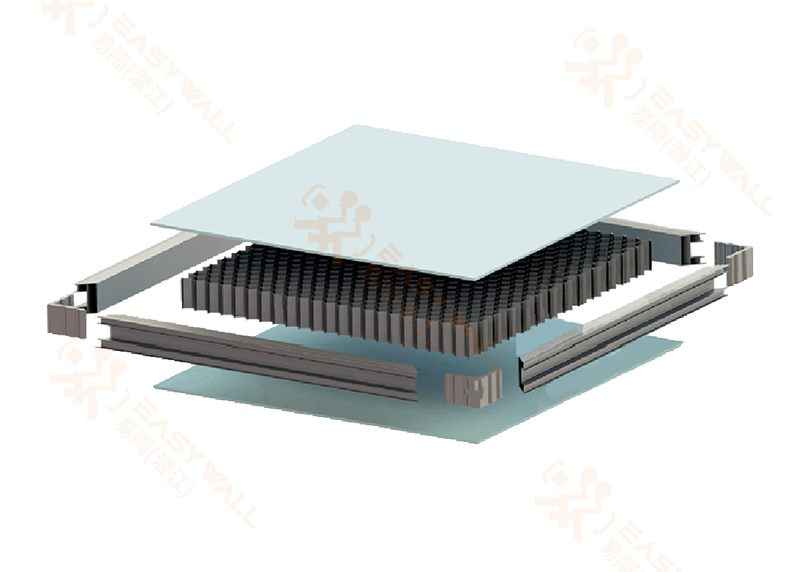
Proper installation is critical for maintaining cleanliness standards. Key considerations include:
The design must allow easy access for cleaning and maintenance.
Sealing joints is vital to prevent contaminant accumulation.
Temperature and humidity control are essential during installation to avoid condensation issues.
After installation, regular maintenance is crucial for continued compliance.
Establish a routine cleaning schedule based on the environment’s needs.
Conduct regular inspections to identify and rectify any potential issues early.
Keep detailed records for maintenance activities to ensure compliance with regulations.
Selecting the right panel type for your cleanroom is essential in meeting ISO standards and ensuring operational success. By understanding the differences between ISO 5, ISO 7, and ISO 8 cleanrooms, along with their respective requirements for panels, you can make informed decisions that will enhance both cleanliness and productivity. Always consider expert consultation if you are uncertain, as the right choice will make a significant difference in long-term operational efficiency. For further details on suitable panels and their specifications, reach out to Easywall today.
最新消息
How to Choose the Right Cleanroom Panel Core Material?
 Sep. 29, 2026
PCGI vs. Stainless Steel vs. HPL Cleanroom Panel Surface Coatings
Sep. 28, 2026 
How cleanroom Panel Thickness Affects Cleanroom Performance?
Sep. 25, 2026 
How Cleanroom Panels Support Contamination Control?
Sep. 23, 2026 
VHP Sterilization: Panel Coating Resistance
Sep. 21, 2026 我们会在 24 小时内回复您,或者每天上午 09:00 - 中午 12:00 致电我们
+86 139 6255 5162
请求报价
技术创新、产品质量是企业的灵魂、市场需求、客户满意是企业的生命
 English
  French
  Russian
  Portuguese
  Japanese